




Government proposes three-year loss carryforward as it moves to address gaps in overseas trading data
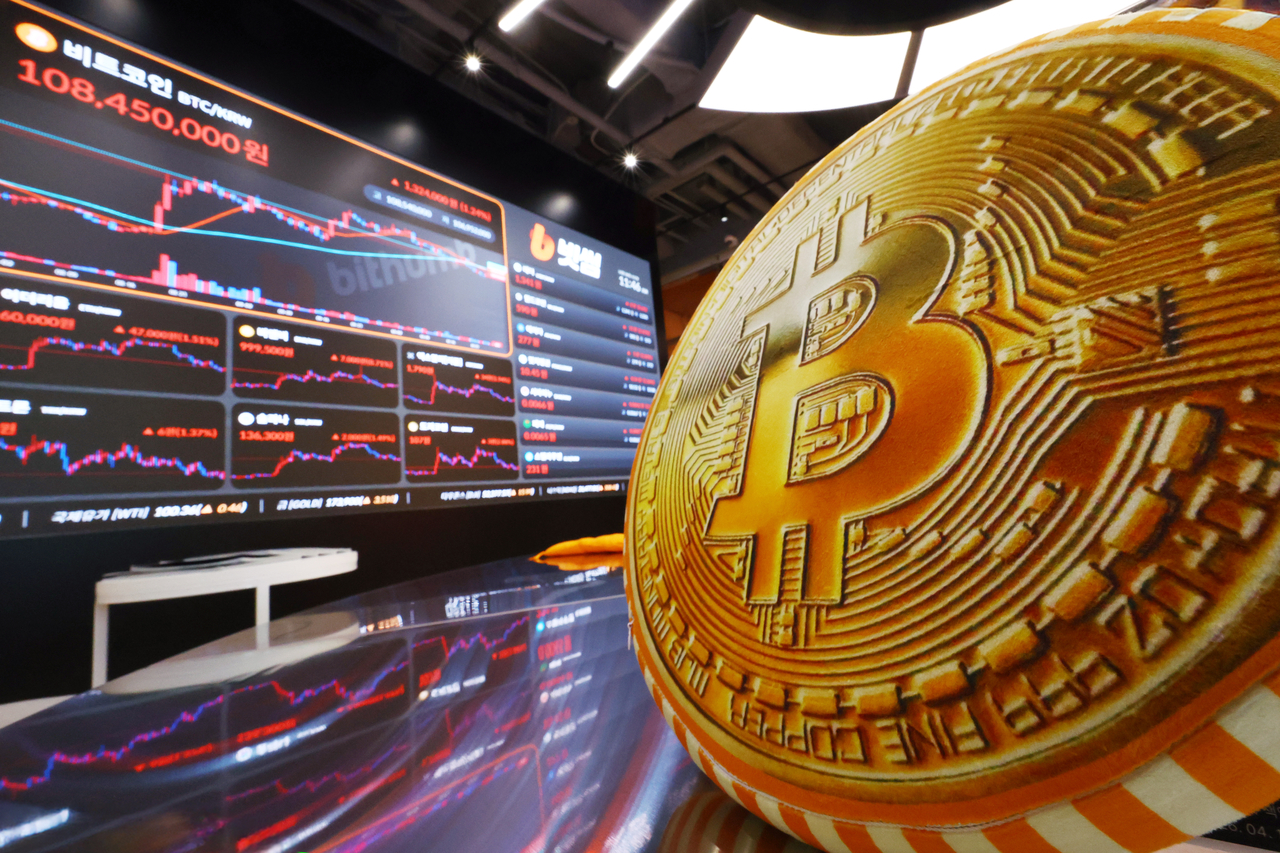
South Korea plans to push back cryptocurrency income taxation by another two years to 2029, the government said Thursday, responding to calls for more preparation time and proposing to let investors carry losses forward for three years.
Finance and Economy Minister Lee Hyeong-il said the government would work with the National Assembly to postpone the tax, which is due to take effect in January. If approved, the move would mark the fourth delay since the tax was legislated in 2020 for a 2022 start.
The announcement follows sustained pressure from exchanges, investors and lawmakers over whether reporting systems and tax rules are ready.
"Taxing cryptocurrency income now could put the domestic market at a disadvantage relative to overseas markets," the government said in a statement, citing the 2029 start of information exchanges with the United States.
Those exchanges will take place under the OECD-backed Crypto-Asset Reporting Framework, or CARF, which allows tax authorities to share cryptocurrency transaction data across borders.
"While upholding the principle that income should be taxed, the delay aims to improve the effectiveness and fairness of taxation," it said.
The government also cited the need to align tax rules with the proposed Digital Asset Act, which would establish broader rules for businesses and investor protection.
Alongside the delay, the government will seek legislative changes allowing investors to carry losses forward for three years to offset future gains, citing cryptocurrency price volatility.
Under the existing framework, losses can offset gains in the same year but cannot be carried forward. Investors could therefore owe tax in a profitable year even after larger losses the year before.
The planned tax would apply to income from selling or lending virtual assets, with annual net income above a 2.5 million won deduction taxed at 22 percent, including local income tax.
Exchanges have argued that unclear reporting requirements have held up system development and testing. Overseas transactions pose another challenge: tokens transferred to a Korean exchange may arrive without records of their original purchase price, which is needed to calculate taxable gains.
The government plans to use the extra time to strengthen its ability to collect and analyze domestic and overseas trading data.
A working group of industry representatives, experts and government officials will discuss tax rules, reporting procedures and other changes through the first half of 2027.
The government plans to submit resulting legislation during the National Assembly's regular session in 2027 and publish detailed tax guidelines in the first half of 2028. Postponing the January start will require a separate amendment to the Income Tax Act before the tax takes effect.
By Choi Ji-won (jwc@heraldcorp.com)

