




German drugmaker eyes deeper biotech partnerships as $991m AimedBio deal advances to clinical trials
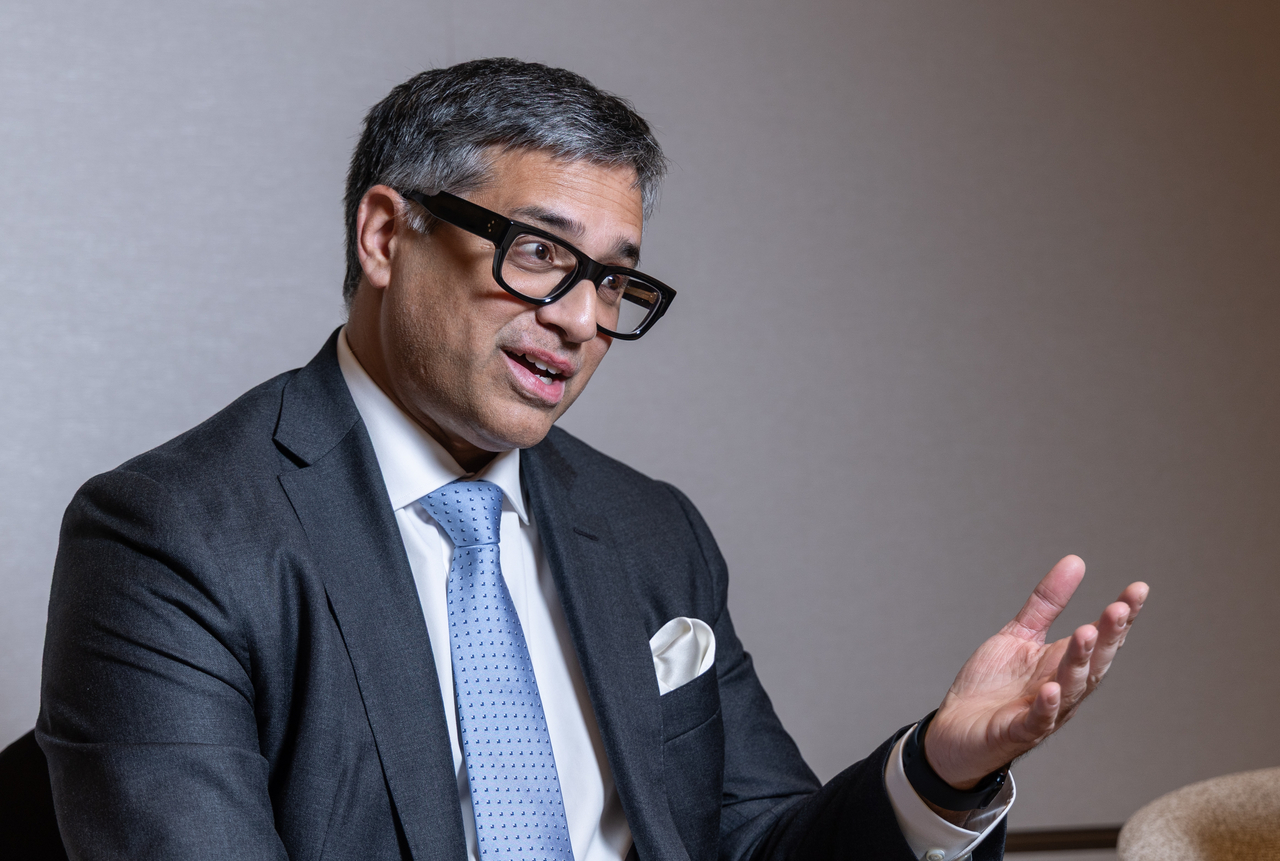
Korea is moving beyond its traditional role as a market for medicines to become a source of pharmaceutical innovation, with local biotech partnerships and clinical research expected to play a larger role in global drug development, Boehringer Ingelheim CEO Shashank Deshpande says.
“We do not anymore see Korea just from a sales and marketing perspective,” Deshpande said in an interview with The Korea Herald on the sidelines of the 19th Asia-Pacific Conference of German Business in Seoul on Friday.
“Korea is one of the countries that regularly contributes to our global clinical trials.”
According to Deshpande, the German drugmaker's next step is to deepen collaboration with Korean biotech companies while potentially bringing local innovation into its global pipeline. He said Boehringer Ingelheim is seeing more Korean investigators contribute patients, data and expertise in designing clinical studies.
A key example is its partnership with AimedBio, a Korean biotech company, on antibody-drug conjugates. In October last year, AimedBio signed a license agreement with Boehringer Ingelheim in a deal worth up to $991 million.
Deshpande noted that the molecule covered by their collaboration had entered Phase 1 trials just days before the interview with the first patient enrolled in the trial.
“For us, that is a really exciting moment,” he said. “For us to really start recognizing Korean companies as they contribute to innovative medicines early on is an opportunity to develop yet a different dimension for a partnership.”
Deshpande said he expects such arrangements to grow as Korea’s biotech sector expands. He pointed out that the country has accumulated talent, investment and international partnerships while creating conditions for it to contribute to novel drug innovation.
“I see no reason why Korea will not grow in terms of its biotech and pharmaceutical landscape, contributing to innovation, not just as a market,” he said.
That outlook is shaping Boehringer Ingelheim’s approach to early-stage investment. Deshpande distinguished the AimedBio deal from investments made through the company’s venture fund, which looks for promising science and technologies, often years before a clinical trial begins
The fund is not confined by geography or therapeutic area, Deshpande said. It can provide capital and advice drawn from the drugmaker’s clinical development experience, helping researchers assess a molecule’s potential and decide how to advance it.
“We make no difference between a European company or an American company or a Korean company,” Deshpande said. “If it is a good idea, it is a good idea, and we want to fund it if it makes sense for us.”
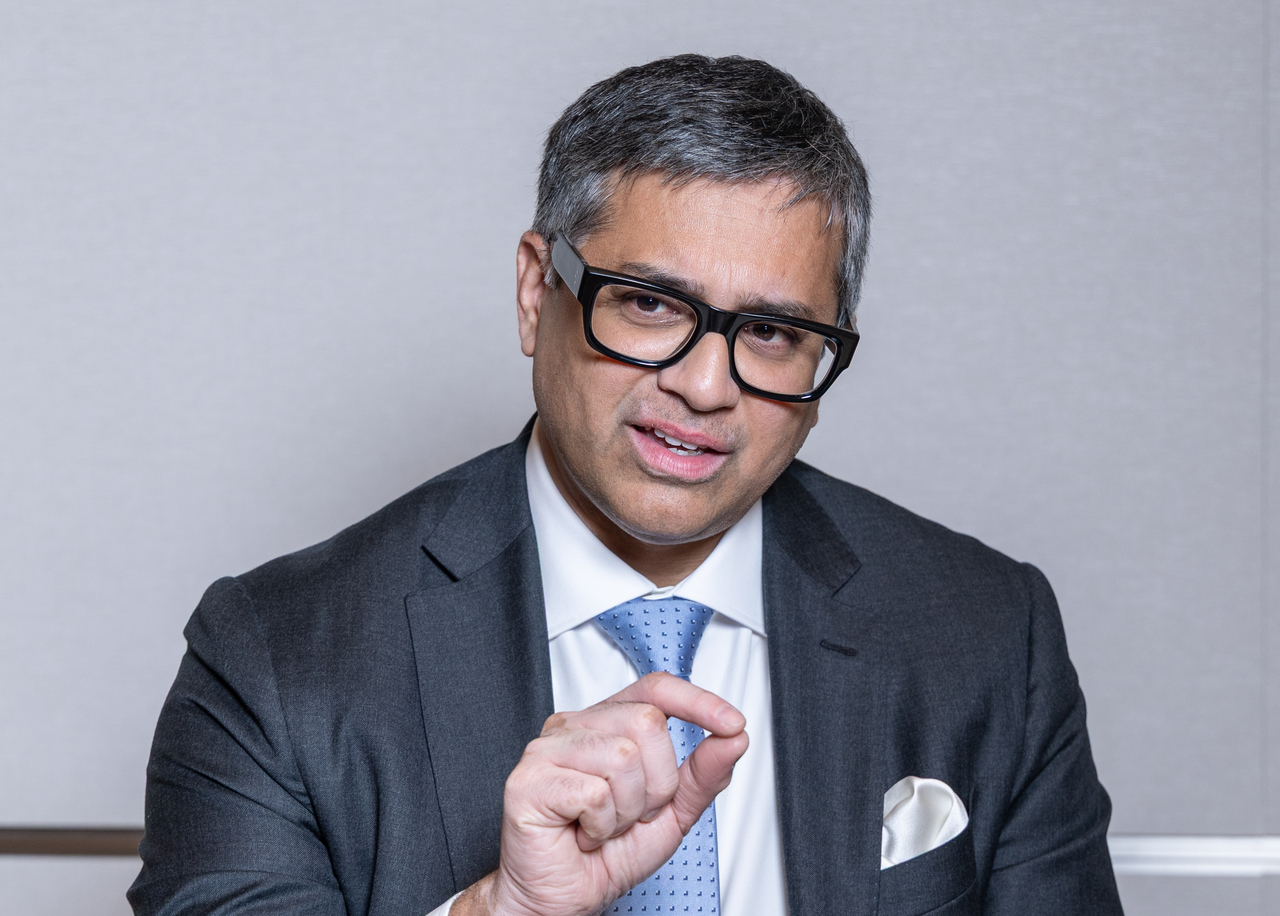
Boehringer Ingelheim currently has more than 80 projects in its development pipeline. Its venture fund makes extra investments, forming an ecosystem through which early research could eventually feed into the company’s portfolio.
The German drugmaker reinvested 27.4 percent of its net sales in research and development in 2025, which was estimated to be one of the highest R&D expenditure ratios in the global medicine industry.
As for artificial intelligence’s role in enhancing drug development, Boehringer Ingelheim has already begun using large language models to reduce the time needed to prepare regulatory documents, which can run to thousands of pages.
Although this technology can save weeks or even a month in preparing regulatory submissions, Deshpande underscored that faster paperwork alone does not improve productivity or the odds of a medicine succeeding.
“Can we identify certain patient groups more accurately and faster? Can we early on identify molecules that will not work? Can we reduce the size of the placebo group?” he said, outlining questions the pharmaceutical industry is exploring.
To this end, Boehringer Ingelheim had announced a partnership with Microsoft the previous week to explore such applications. Deshpande said the company was open to working with Korean AI firms, although it had no specific local projects to announce yet.
“I would not be surprised if in the next weeks and months we actually do,” he said.
Noting that Phase 3 trials have an average success rate of about 70 percent, Deshpande said using AI to identify candidates unlikely to work could save enormous financial losses.
Boehringer Ingelheim is also seeking to broaden its long-running relationship with Yuhan. The two companies have worked together for 16 years, including on diabetes medicines Trajenta and Jardiance in Korea. Deshpande said Yuhan’s understanding of patients and customer relationships complemented Boehringer Ingelheim’s scientific expertise.
As the German company looks to expand from two therapeutic areas in the market to three or four, he sees room to extend the partnership into additional fields and product launches.
“Korea is playing an increasing role in innovation in pharmaceuticals and healthcare,” Deshpande said. “This is a great time to contribute to not just Korean innovation, but ultimately to make sure that this innovation reaches the world… Because in the end, we are all here in this industry to make lives better, extend lives and, hopefully, eradicate some diseases.”
By Kan Hyeong-woo (hwkan@heraldcorp.com)

