




Young CEO puts franchisee profits first, growing low-sugar convenience chain to 230 stores in just over two years
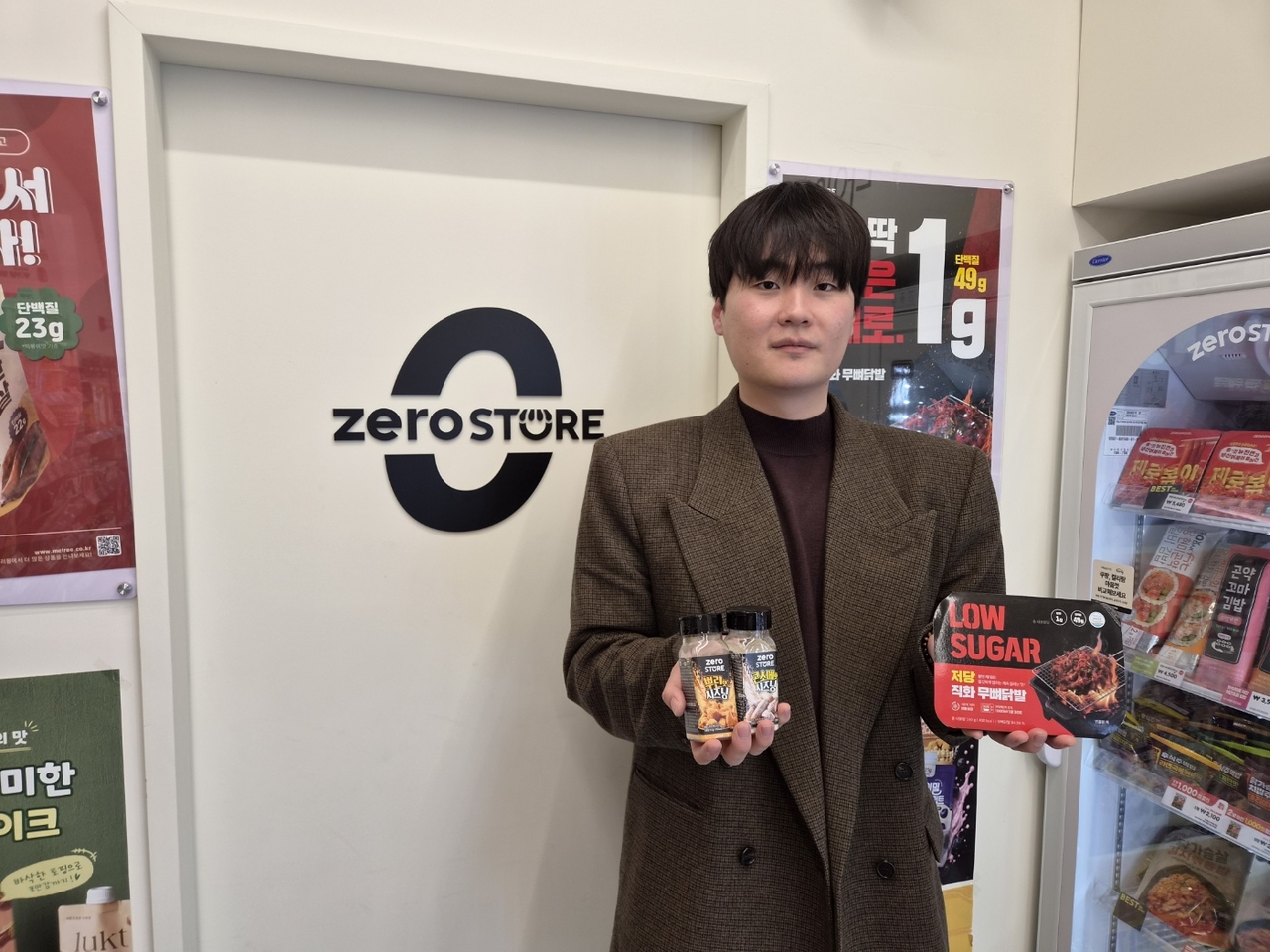
For Pyeon Young-min, a 30-year-old co-founder and CEO of unstaffed convenience store chain Zerostore featuring zero- to low-sugar products, the brand's rapid rise has been more about building a franchise model around consumers and store owners than riding the “zero” food trend over the past few years.
“Our strategy was to prioritize price advantages, product selection and franchisee profitability from the outset, even if that meant giving up much of the headquarters’ distribution margin,” Pyeon said in an interview with The Korea Herald at the startup’s office in Seoul on Tuesday.
“The headquarters’ margin essentially went to zero…For one to one and a half years, there was almost nothing left.”
Despite the little-to-no-profit roadmap for the headquarters, Zerostore, which opened its first store in July 2024, has grown exponentially over the past 15 months, recently opening its 230th store.
Pointing out that about 40 to 50 similar brands have appeared since Zerostore began expanding, the CEO said almost all of his competitors have eventually gone away.
“People only saw the expansion,” he said. “They didn’t see that we weren’t making money.”
The company has instead invested in keeping stores active after opening, including real-time communication with franchisees, supervisory support and marketing campaigns.
Unlike many franchise businesses, Zerostore does not require franchisees to purchase designated products or use a designated interior contractor. Store owners can even source products independently if they find better prices elsewhere.
“Many store owners who initially opened one location later introduced Zerostore to acquaintances or opened additional stores,” said Pyeon.
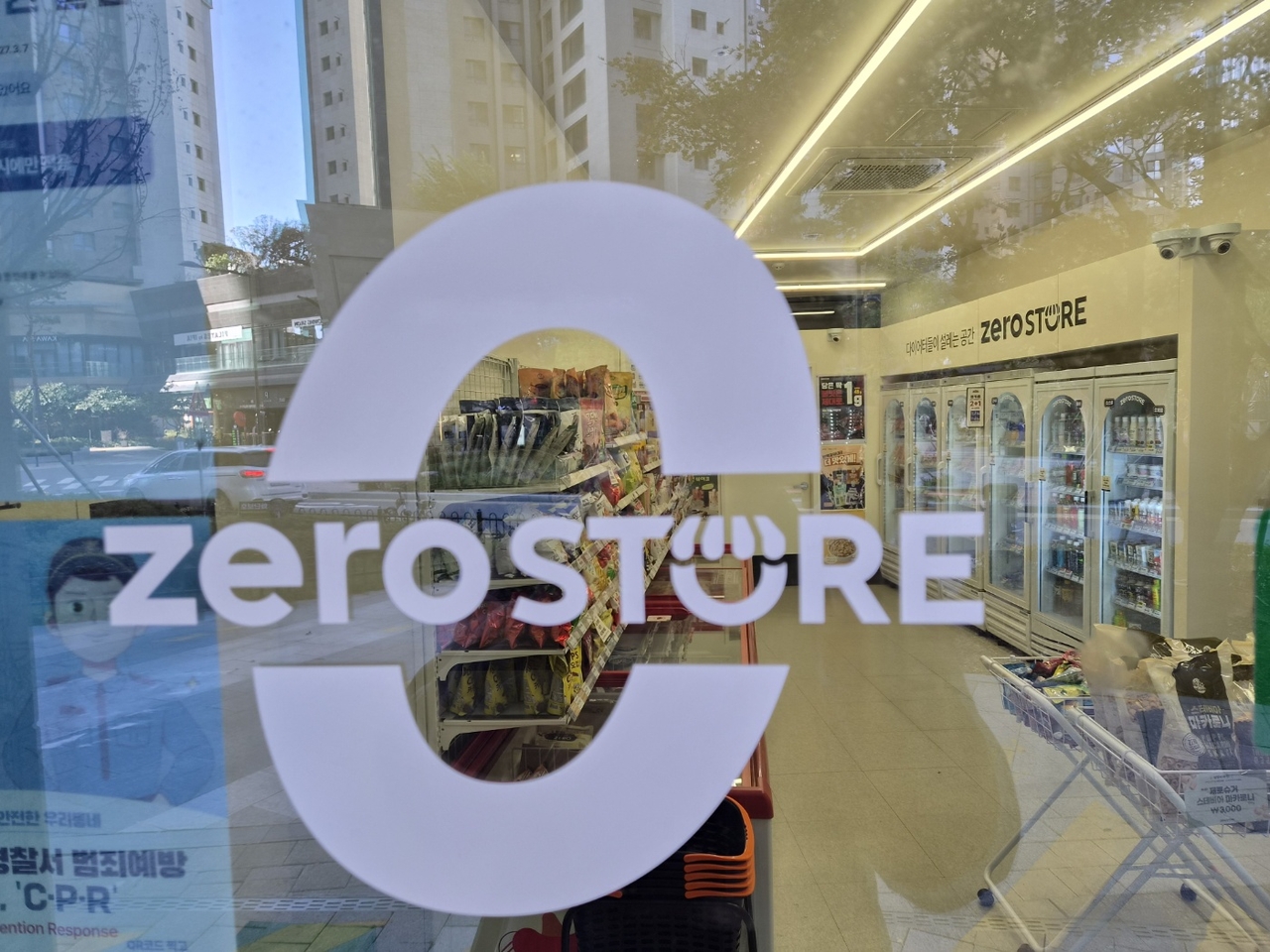
The company is now targeting steady profitability rather than aggressive expansion. According to the CEO, Zerostore aims to consistently generate between 1.5 million won and 2.5 million won ($1,132 and $1,870) in monthly net profit for store owners, rather than promising unusually high returns.
As for whether the “zero” trend can sustain the business, Pyeon believes it is becoming less a fad than a new consumer expectation.
While zero-sugar beverages remain the most recognizable products in the category, Zerostore’s sales data show that meal-replacement products such as frozen and shelf-stable foods are generating the most revenue.
Foods ranging from chicken dishes and dumplings to other ready-to-eat meals are increasingly being developed around low sugar, low calories and high protein.
“Zero is no longer an option,” Pyeon said. “It is becoming a standard.”
That shift could broaden Zerostore’s customer base beyond its core 20- and 30-something consumers, particularly women, as healthier formulations become noticeably common across mainstream food products.
Zerostore is also preparing for its first overseas expansion. According to the CEO, the company has received inquiries from markets including the United States, Australia and Europe.
“We previously rejected such approaches because expanding abroad too early could divert management attention from its domestic operation,” said Pyeon.
“Now, with the store network and workforce having reached a certain scale, we are preparing for a potential overseas launch.”
The challenge is pricing. Products that are inexpensive in Korea can become considerably more expensive once logistics and other costs are added overseas. Zerostore is therefore considering markets where its Korean identity could itself be an advantage, such as Mongolia.
Pyeon, who holds a bachelor’s degree in industrial design from Shinhan University, has worked in sales at various companies, including delivery platform Coupang Eats, where he had opportunities to work with franchisees.
By Kan Hyeong-woo (hwkan@heraldcorp.com)

