




Activist fund sees $60b valuation gap, proposes buybacks and potential Samsung ADR issuance
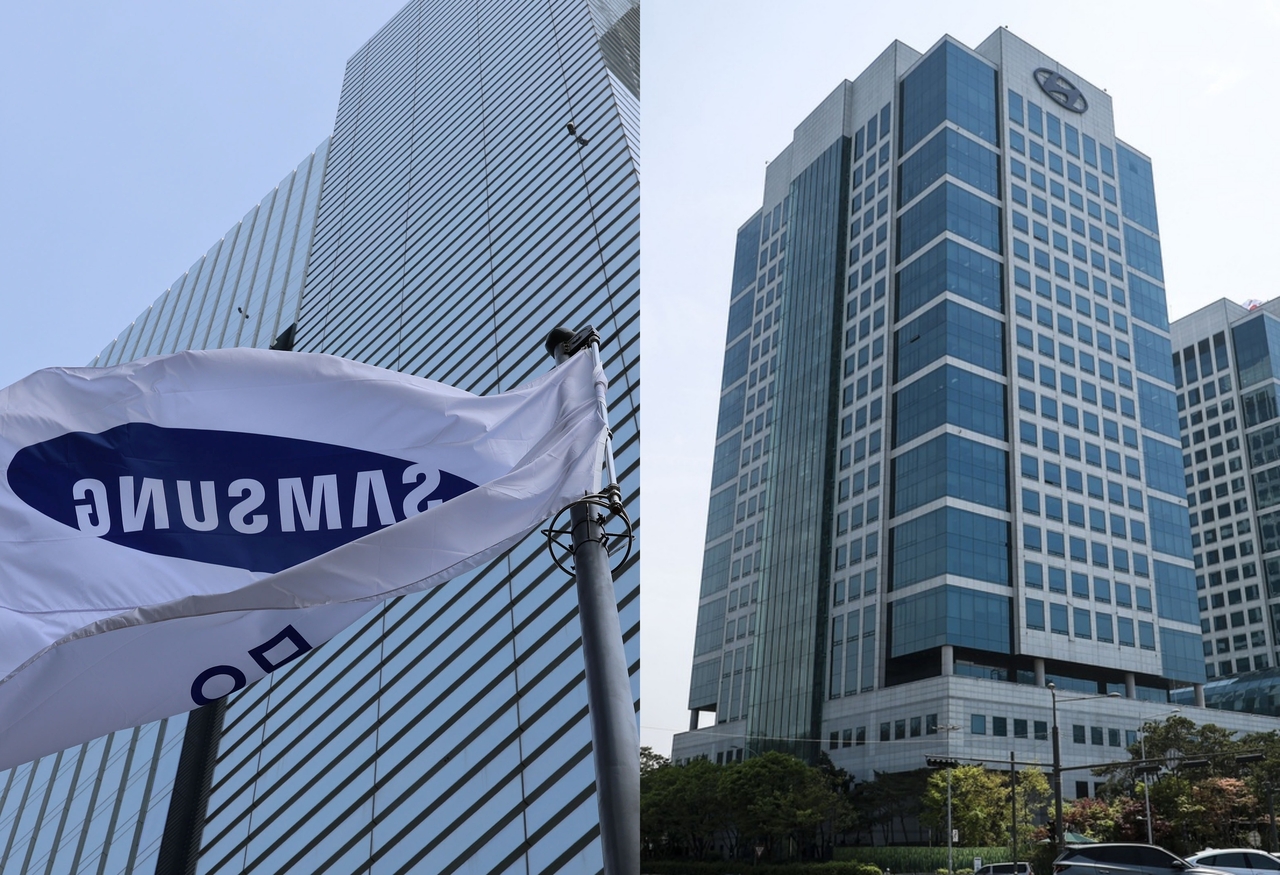
Palliser Capital, a London-based activist investment fund, has urged Samsung Electronics and Hyundai Motor to reduce discounts on their preferred shares, arguing that the valuation gap represents more than $60 billion in potential value across South Korea's stock market.
The fund also suggested Samsung consider issuing American depositary receipts, or ADRs, to help finance preferred share buybacks and cancellations.
Speaking at the Sohn San Francisco Investment Conference on Tuesday, Palliser founder and Chief Investment Officer James Smith, a former Elliott Investment Management executive, said Korean preferred shares trade at substantial discounts to common shares despite offering largely similar economic rights.
Unlike conventional preferred shares in many overseas markets, Korean preferred shares generally carry similar economic entitlements to common shares but typically lack voting rights. Differences in voting rights, liquidity and investor demand can contribute to their lower valuations.
According to Palliser, Samsung's preferred shares trade at a 26 percent discount to common shares, while Hyundai Motor's three preferred share classes trade at an average discount of about 48 percent.
As of Thursday, Samsung's common shares traded at around 237,500 won ($177), compared with 176,600 won for preferred shares. Hyundai's common shares stood at 317,500 won, versus roughly 164,700 won for its preferred shares.
Palliser called on both companies to prioritize preferred share repurchases and cancellations and establish explicit discount-reduction targets in their corporate Value-Up plans.
For Samsung, it also proposed exploring an ADR issuance at a premium to finance further preferred share buybacks, citing a similar initiative involving rival chipmaker SK hynix.
"The natural next step to reduce the discount is for boards to address preferred shares explicitly in their Value-Up plans through buybacks, explicit discount targets and other accretive measures," Smith said.
Samsung, however, has taken a cautious approach, citing the need to ensure equitable treatment of common shareholders. The company has said it is "considering ways to address the discount of preferred shares relative to ordinary shares and enhance their value."
Hyundai Motor has acknowledged the valuation gap and begun taking steps to address it, according to Palliser, although the fund said more action was needed from both companies.
Palliser has previously pursued activist campaigns involving major Korean conglomerates. In 2024, it acquired more than 1 percent of SK Square and called for expanded share buybacks.
Last year, the fund urged LG Chem to reform its board and repurchase shares, citing a 74 percent discount to net asset value. Most of its proposed governance reforms were rejected. It also joined an unsuccessful shareholder campaign at Samsung C&T seeking higher dividends.
By Im Eun-byel (silverstar@heraldcorp.com)

