




Hyundai and global rivals brace for new competition in a key protected market
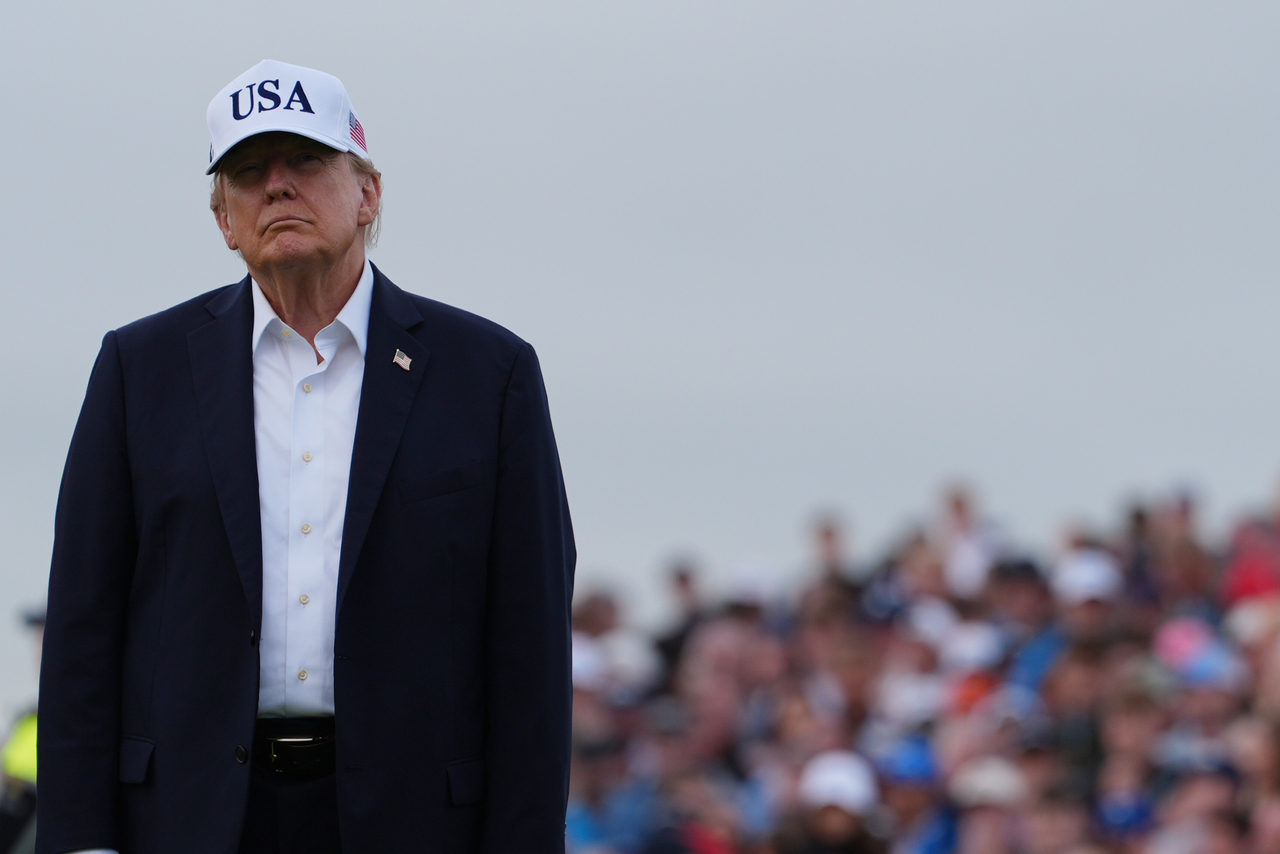
Chinese automakers have been largely shut out of the US by steep tariffs and national security restrictions. US President Donald Trump, however, has signaled that the door may not remain closed.
Trump said last week he would welcome Chinese automakers that build vehicles in the US and hire American workers, unsettling global rivals that have long viewed America as one of the last major markets insulated from Chinese competition.
“If China wanted to come in and open a plant to build their cars here, I’d be OK with that,” Trump said in an interview on the Fox News program “The Ingraham Angle” on Friday.
“Japan does it, but they hire our people. The big thing is they hire our people.”
Trump also made clear he was against Chinese automakers producing vehicles in Mexico and then exporting them into the American market.
His remarks come as Trump is set to meet Chinese President Xi Jinping in Washington in two weeks, fueling speculation that market access for Chinese automakers could be part of the agenda of broader trade discussions between the two countries.
Washington’s China barrier
For now, Chinese carmakers are largely absent from the US passenger vehicle market due to the more than 100 percent tariff on Chinese-made electric vehicles. The US Commerce Department also restricts connected vehicles with Chinese-linked software and hardware.
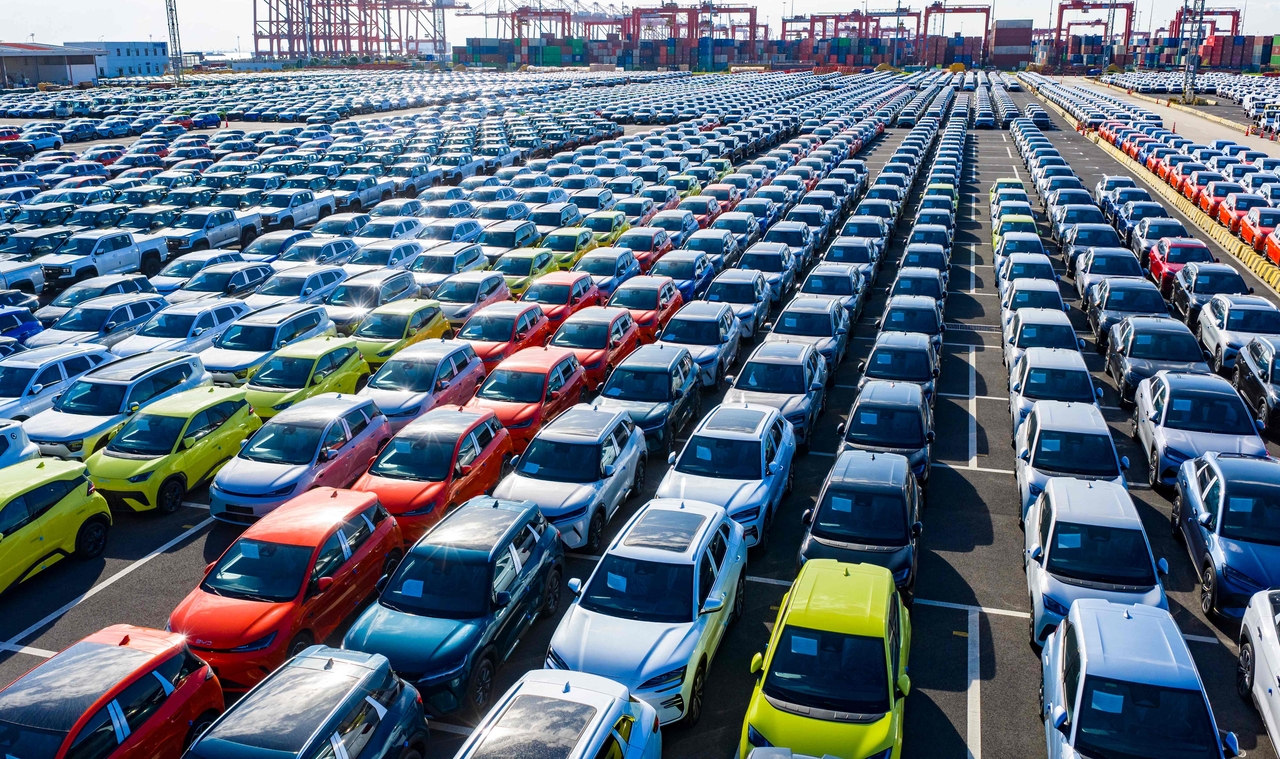
Whether or not it leads to an actual policy, Trump’s willingness to open the door to Chinese automakers has unsettled carmakers already concerned about Chinese brands’ rapid global expansion driven by aggressive pricing and high-performance EV technology.
The Alliance for Automotive Innovation, which represents major automakers such as General Motors, Ford, Toyota, Volkswagen, Hyundai Motor, Kia and BMW, urged Congress for a “permanent ban” on China-made cars in the US.
“Right now, Chinese automakers are dumping subsidized vehicles with connected software and hardware around the world,” said John Bozzella, president and CEO of Alliance for Automotive Innovation, adding that China “is capturing market share” in Europe, Australia, Southeast Asia, Mexico and South America.
“This hasn’t happened inside the US yet, but given the scale and urgency of this threat, we urge you to enact a Chinese vehicle, software and hardware ban before adjourning this year and make this policy the law of the land.”
Hyundai’s hard-won momentum
The possibility of Chinese automakers producing vehicles in the US also raises concerns for Hyundai Motor Group and its brands Hyundai Motor, Kia and Genesis, as the group has increasingly made the US a centerpiece of its global manufacturing and sales strategy.
The US was Hyundai Motor and Kia’s largest overseas market last year, with the group selling 1.94 million vehicles there, nearly 50 percent more than the 1.26 million vehicles the two carmakers sold in South Korea.
Until now, the US has also been a crucial battleground for Hyundai and Kia as they sought to close the gap with Japanese rival Toyota and other American carmakers.
Last year, Hyundai and Kia’s combined market share accounted for a record 11.3 percent in the US, according to data from market watcher Wards Intelligence, ranking fourth behind General Motors at 17.5 percent, Toyota Motor at 15.5 percent and Ford Motor at 13.1 percent.
The arrival of Chinese competitors could complicate that momentum.
Industry officials say Hyundai and Kia could face particularly intense price competition, since a large share of the US lineup is concentrated in compact and midsize SUVs, along with relatively affordable electrified vehicles. Those very segments are where Chinese automakers have assembled highly competitive lineups.
Models like Hyundai’s Kona and Tucson and Kia’s Seltos and Sportage largely compete in the same space as models offered by Chinese manufacturers such as BYD, Geely and Chery. This could leave Hyundai and Kia more exposed to Chinese competition than GM and Ford, whose lineups lean heavily toward large SUVs and full-size pickup trucks.
Kim Pil-soo, an automotive engineering professor at Daelim University, said the potential competition with Chinese carmakers won’t be on price alone, but on their quality.
“Chinese cars are no longer competing only on price,” said Kim. “Their quality has improved significantly with high-tech software, and they are highly competitive in areas such as EVs and plug-in hybrids. Perceptions of the 'Made in China' label are also becoming more positive."
That could pose a particular challenge for Hyundai Motor Group, which is expanding hybrid and plug-in hybrid offerings and prepared extended-range electric vehicles for the North American market.
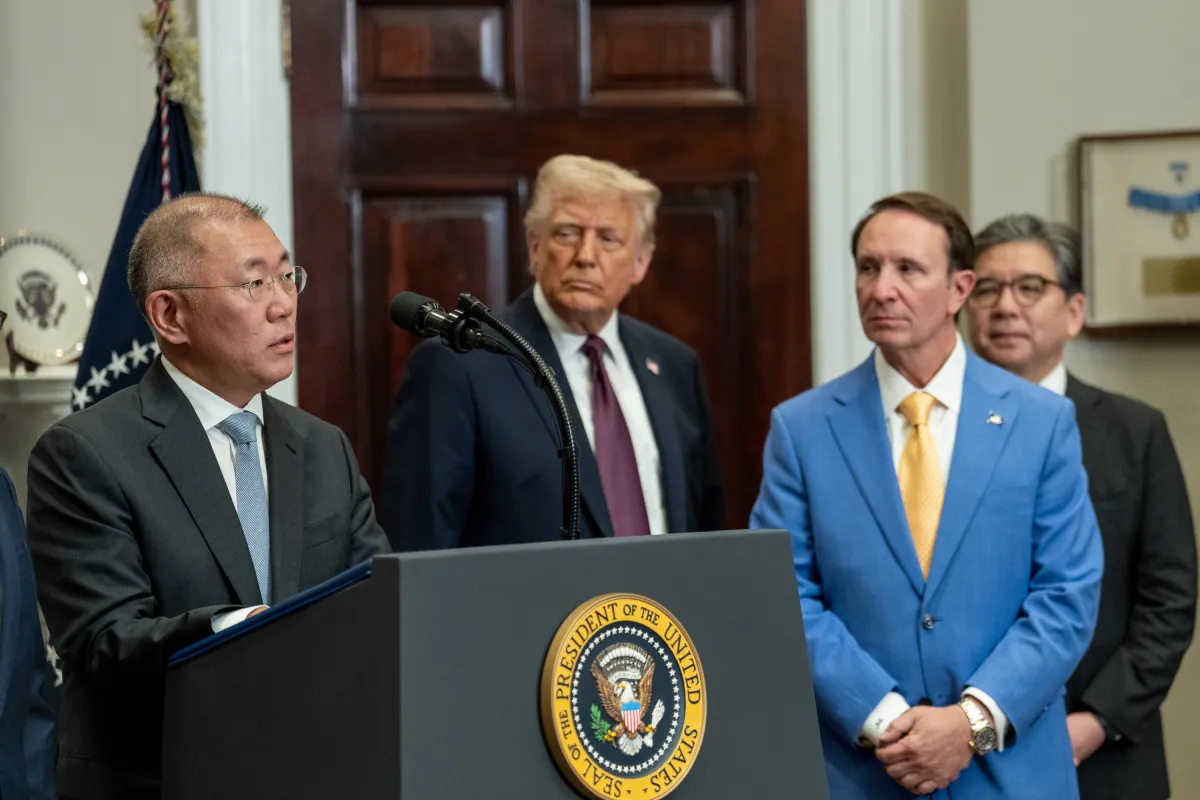
In recent years, Hyundai Motor Group has invested heavily to expand its US manufacturing footprint amid Washington’s push for localization and higher tariffs on imports. The group has pledged to invest a combined $26 billion in the US through 2028.
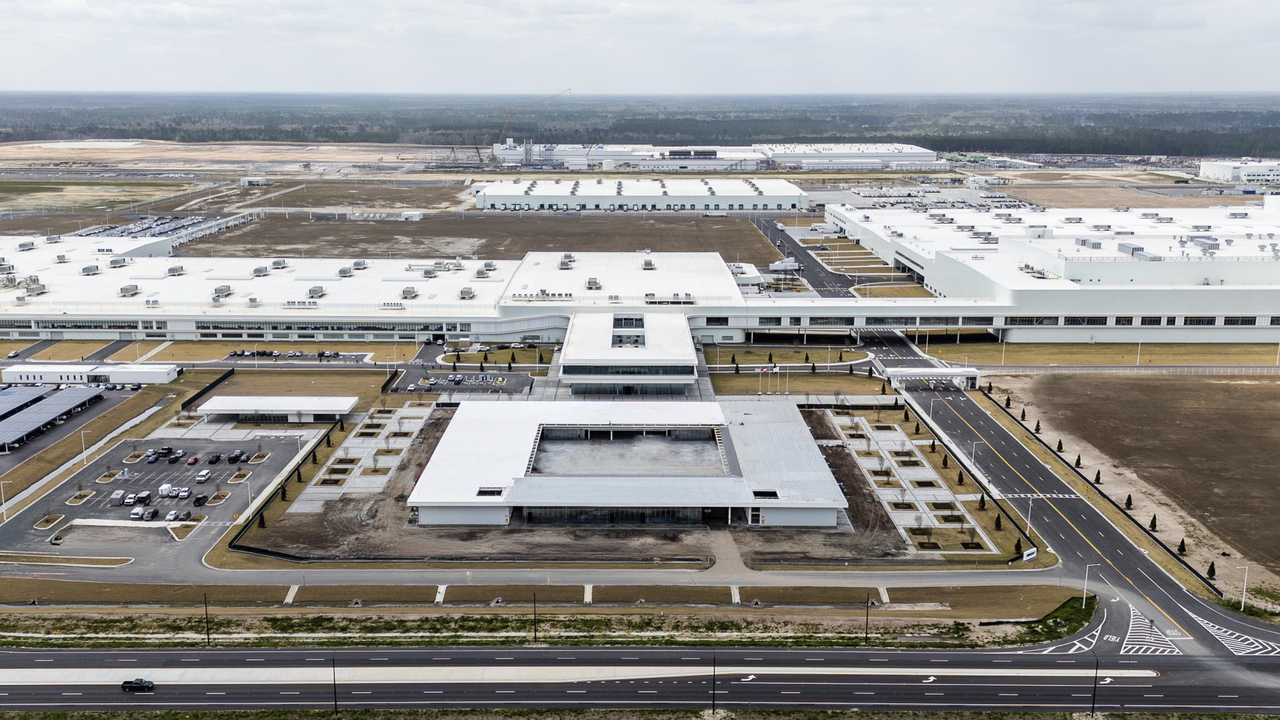
The investment includes further expansion of Hyundai Motor Group Metaplant America, its newest EV manufacturing complex in Georgia, which began production last year. The group is also bolstering its local supply chain through projects including a planned $5.8 billion steel mill in Louisiana that will produce automotive steel for the US market.
A faster route into America
Kim said Hyundai's growing reliance on the US market could leave it more exposed to shifts in Washington's trade and industrial policies, calling on the carmaker to diversify its global footprint.
“Hyundai needs to diversify its global markets and reduce its heavy dependence on the US,” Kim said.
While it takes years to build a full-scale automobile manufacturing operation and its supporting supply chain from scratch, Chinese carmakers could seek faster routes into the US through joint ventures, acquisitions or contract manufacturing, experts say.
“They do not necessarily have to build a factory from scratch, but acquire an underperforming plant, form a joint venture or use contract manufacturing,” said Kim. “That could shorten the time needed to enter the market substantially.”
By Ahn Sung-mi (sahn@heraldcorp.com)

