




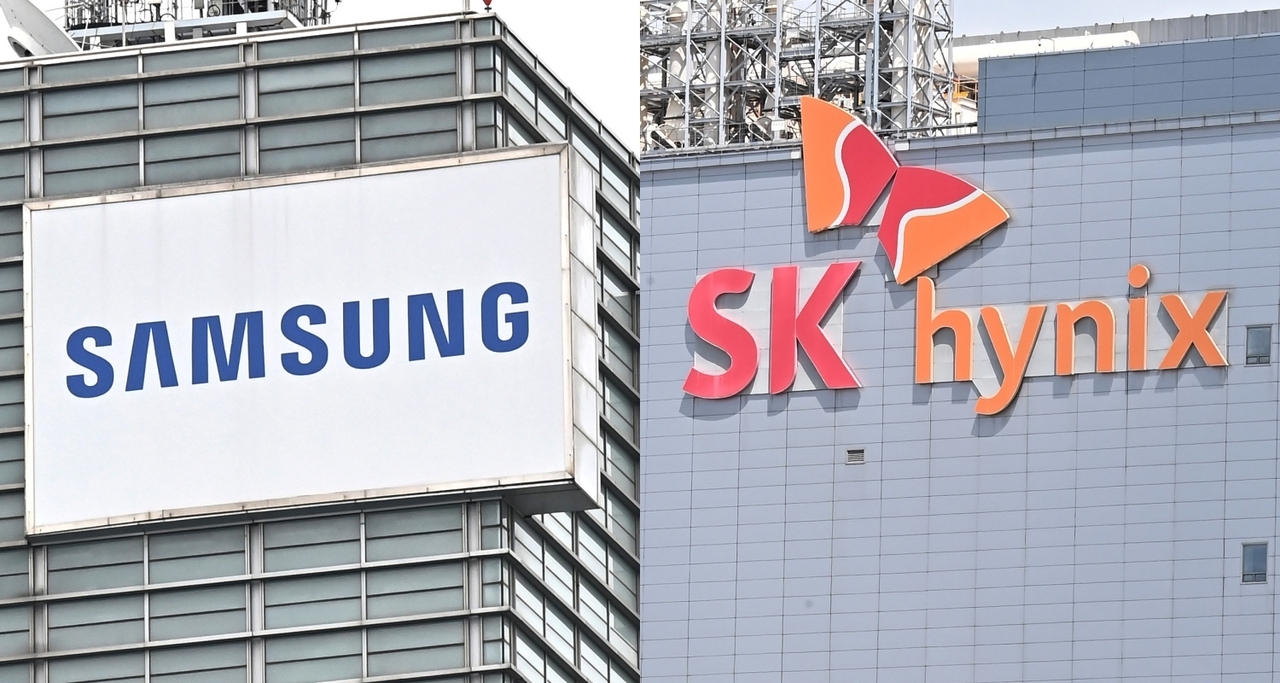
Samsung Electronics and SK hynix have rejected a proposal from Korea Electric Power Corp. to prepay a combined 25 trillion won ($18.4 billion) in electricity bills for the next five years, industry sources said Monday.
The two chipmakers informed the state-run utility of their decision after internal reviews found that committing such a large amount of cash upfront would be difficult to justify amid uncertainty over the longer-term semiconductor cycle.
The chip industry has enjoyed a strong upswing since the second half of 2025, but the companies appear reluctant to assume that current market conditions will continue for another five years. A large advance payment could also limit financial flexibility at a time when both companies are making heavy investments in advanced chips and production capacity.
Kepco had proposed that Samsung prepay about 20 trillion won and SK hynix around 5 trillion won, equivalent to roughly five years of electricity charges based on their payments last year.
Under the proposal, the utility would use the funds primarily to invest in the national power grid. The additional financing could also help accelerate electricity infrastructure needed for major semiconductor clusters, including those in Yongin and the Honam region.
Kepco reportedly offered an interest rate higher than the yield on two-year government bonds, with the accrued interest applied against electricity bills every six months.
For Kepco, the plan would have provided an alternative source of funding for grid investment while reducing its dependence on additional bond issuance.
The utility's total liabilities stood at 210.7 trillion won as of the end of June, while its daily interest expenses have reached about 11.5 billion won.
Kepco also faces a looming financing constraint, as a temporary measure allowing it to issue bonds worth up to five times its combined capital and reserves expires at the end of 2027.
By Jie Ye-eun (yeeun@heraldcorp.com)

