




Discount outlets and pharmacy chains, favored by foreign shoppers in tourist districts, multiply within a year
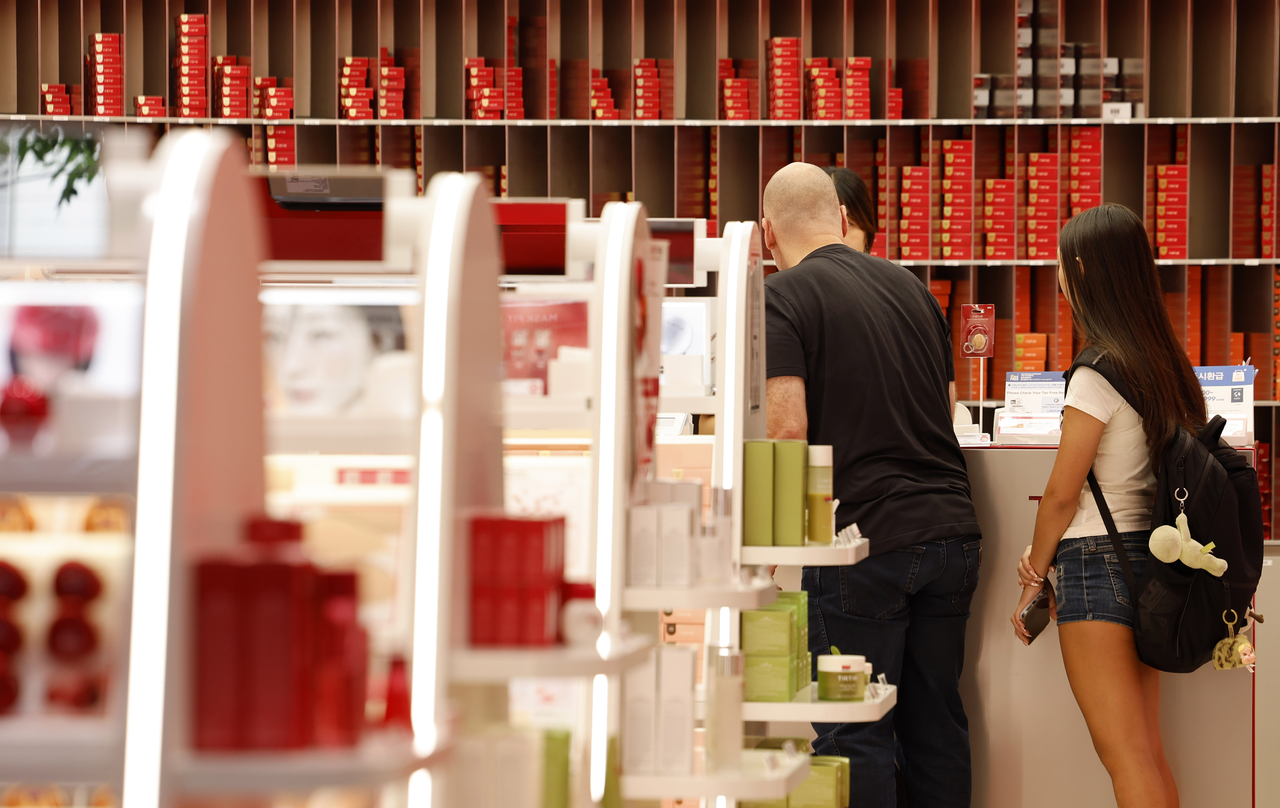
In Korean beauty retail, Olive Young stands tallest, with 1,367 stores and counting, though that footprint buys no immunity from shifts in the industry.
A new wave of beauty retailers has emerged in recent years, led largely by groups such as Shinsegae, Lotte and Musinsa, each operating curated multi-brand stores with its own spin.
Yet rising alongside them is another kind of retailer that tilts away from the familiar formula toward its own draw, whether price or medical credibility.
Scaled up, priced down
At the budget end of beauty, price tags run low and discounts run deep.
No chain captures the budget wave better than Daiso, the dollar-store operator that built its business on items priced between 1,000 and 5,000 won ($0.71 to $3.55).
A closer discount counterpart to Olive Young is emerging in Off Beauty, operated by Q&B International, the beauty arm of Daemyung Chemical, which spans logistics, aviation and fashion retail.
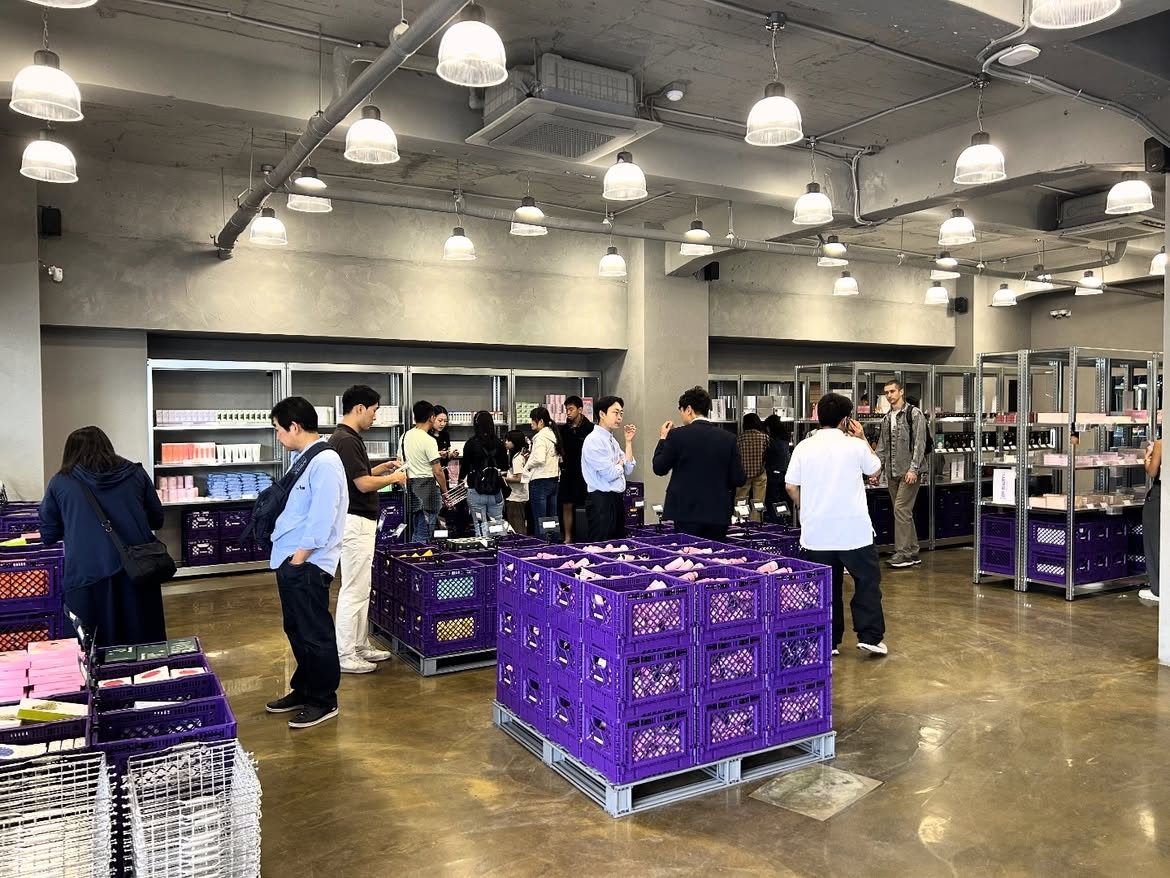
Billing itself as the country's first urban beauty outlet, Off Beauty fills large warehouse-style stores with discounted inventory bought directly from brands, offering markdowns ranging from 20-90 percent off the list price.
Its model relies on direct negotiations with brands and bulk purchasing across distribution channels to lower costs.
“Inventory terms and promotions are negotiated brand by brand and product by product,” a company official said. “We cut unnecessary distribution costs and margin structures to offer reasonable prices to consumers.”
Off Beauty opened its first store at Seoul’s Gwangjang Market in May 2025 and has since expanded to 42 locations nationwide, with a target of up to 80 by year-end. Foreign tourists make up a sizable share of customers at locations in Seongsu and Myeong-dong, the company said.
Cumulative sales topped 20 billion won last year and are projected to reach 50 billion won this year.
“We are prioritizing operational stability, commercial-district fit and the customer experience at each location,” the official said.
Beauty over the counter
The least expected challenger to come up may be the neighborhood pharmacy, which has begun borrowing the same large-scale formats as ordinary beauty retailers.
Foreign visitors, fresh from dermatology and cosmetic surgery appointments, have in particular started treating pharmacies as a shopping stop. Their card spending at pharmacies jumped 206 percent on-year in May, according to the Korea Tourism Organization.
Beauty-focused pharmacy chain Redy Young, for instance, operates seven big-box locations, including in Myeong-dong, Seongsu and Hongdae, equipped with pop-up zones, duty-free counters and AI-based diagnosis kiosks.
Such pharmacies have grown from virtually none last year to an estimated 40 to 50 today. On the wholesale side, platform Baropharm has introduced K-beauty shop-in-shops at pharmacies, with 10 already open and a target of more than 1,000 nationwide.
Industry observers say the rivalry is only sharpening as K-beauty consumption spreads beyond Olive Young, duty-free shops and brand flagships to pharmacies.
Yet the pharmacies, stocked with over-the-counter drugs formulated with high-concentration active ingredients, also represent a risk without proper consultation from a pharmacist, they noted.
Answering rising demand for dermocosmetics, Olive Young debuted Advanced Derma in March, a skincare line built with domestic drugmakers and seen as gentler than pharmacy-grade OTC treatments. Dedicated shelf space reached 650 stores within four months.
“Advanced Derma pairs our customer-data-driven merchandising with the technical expertise of Korean pharmaceutical companies,” an Olive Young official said.

By No Kyung-min (minmin@heraldcorp.com)

