




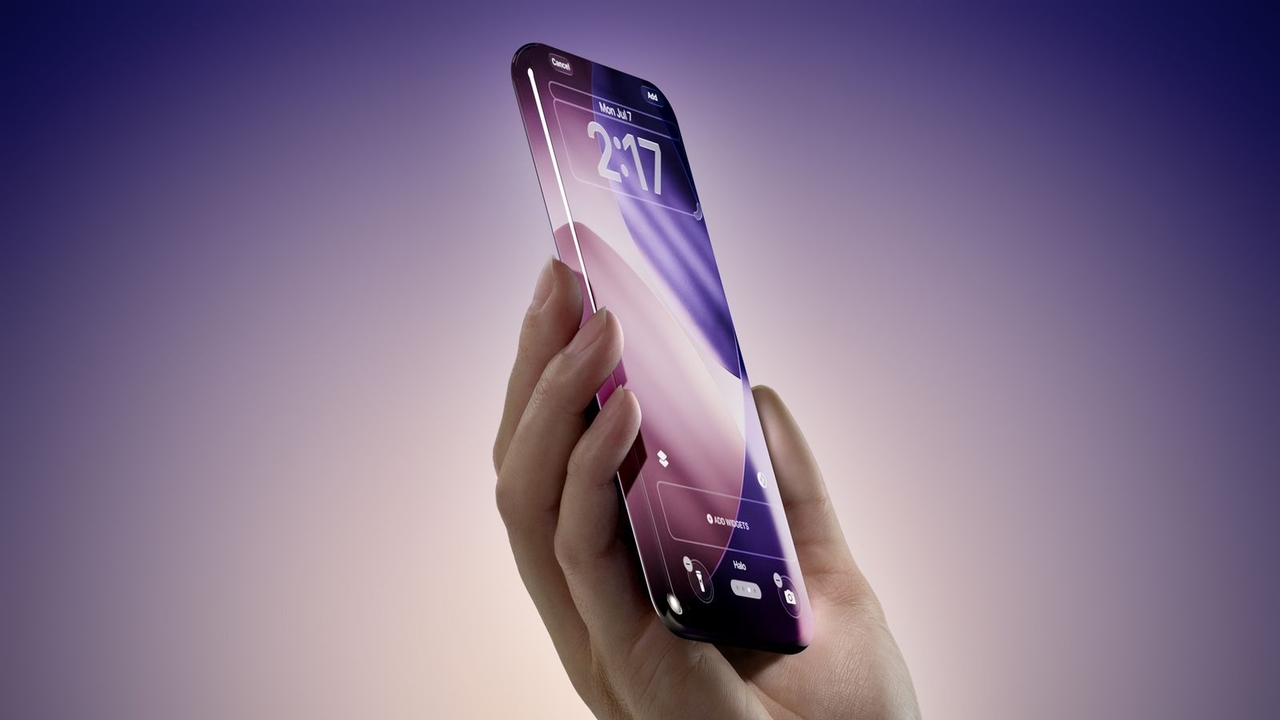
Samsung Display is on track to be the exclusive OLED supplier for Apple's 20th-anniversary iPhone in 2027, according to fresh supply-chain leaks out of Greater China. The arrangement, if it holds, would echo the sole-vendor deal that handed Samsung the entire iPhone X panel order in 2017.
Three separate leaks within the past week have pointed to the same panel: a custom screen with all four edges gently curved, built without the polarizing film that sits on top of conventional OLEDs.
Greater China leaker Ice Universe wrote on X on Monday that Apple may market the screen as a "Liquid Glass Display." Crucially, the curve itself would be very shallow. The visual effect of a near-invisible bezel would come instead from how light is bent and guided inside the panel, with the screen appearing to flow over the edge rather than physically wrapping around it. Edge viewing, Ice Universe wrote, would remain natural and undisturbed.
Last week, Weibo-based leaker Digital Chat Station said Apple is asking Samsung Display for a "pol-less" panel. Stripping out the polarizing film thins the display stack and lets more light through, which is what makes the optical illusion of a disappearing bezel possible in the first place.
Both descriptions point to Samsung Display's COE, or color filter on encapsulation, technology. COE applies the color filter directly onto the panel's encapsulation layer. The technique cuts overall thickness, lifts brightness by about 30 percent and reduces power draw by roughly 25 percent.
Samsung first commercialized COE in the Galaxy Z Fold 3 in 2021. The technology has been adopted for the first time with the Galaxy S26 Ultra this year. ETNews reported in September that the rollout is timed to put Samsung ahead of Apple's own 2027 adoption.
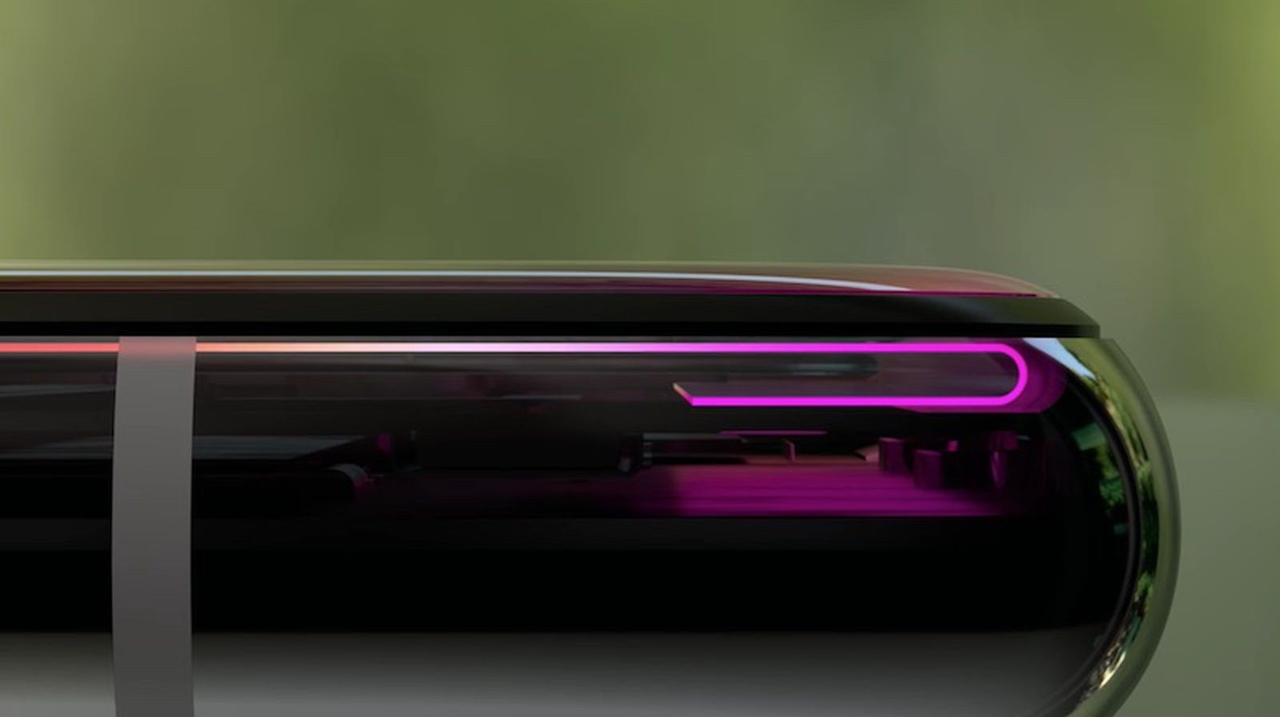
The 2017 precedent carries weight on pricing. Samsung charged an estimated $110 to $120 per iPhone X module, roughly double the price of the LCD it replaced. Apple has spent the years since cultivating LG Display and BOE as second sources. Korean firms still dominate the high-end LTPO segment, however.
Whether Apple can deliver the rumored all-glass look in 2027 still hinges on under-display Face ID. Display Supply Chain Consultants' Ross Young has said the technology may not be production-ready in time. The device, internally code-named V72 at Apple, is currently slated for fall 2027, according to a roadmap published by The Information in December.
By Moon Joon-hyun (mjh@heraldcorp.com)

