




South Korea’s telecom carriers and fintech firms are tightening energy use as the government calls for conservation amid oil-market volatility, extending the response from office operations to the infrastructure behind mobile networks and online finance.
The move is less about an immediate jump in electricity rates, which have been frozen for the second quarter, than about joining a broader corporate energy-saving push and preparing for an uncertain energy environment.
The clearest response has come from the country’s three mobile carriers, which dominate South Korea’s telecom market.
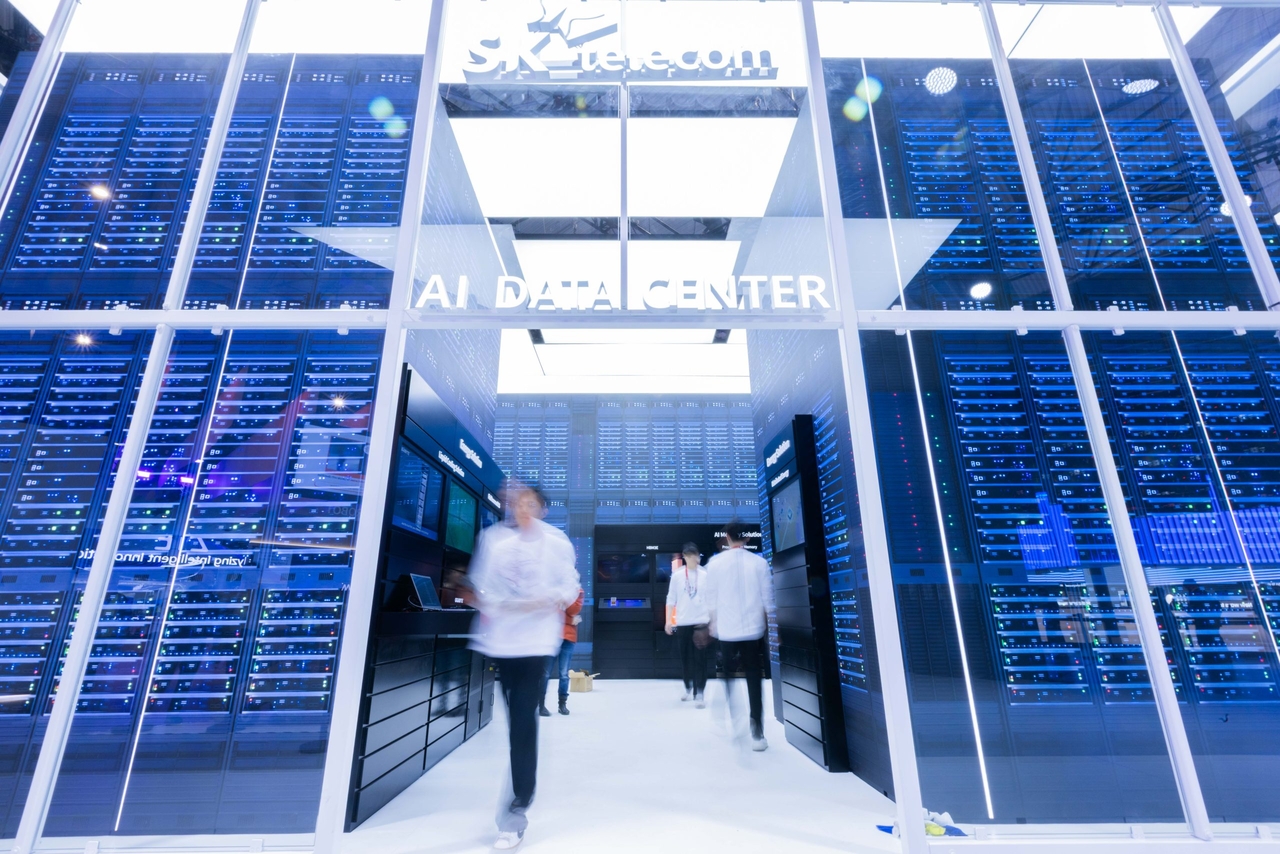
Market leader SK Telecom has been pushing beyond its traditional mobile business into AI infrastructure and data centers. The company said it will apply SK Group’s five-day vehicle rotation system, cut facility power use and improve efficiency across its AI data centers and telecom network.
SK Telecom added that its Petasus AI Cloud platform is being used to get more computing work out of existing hardware, while virtualized base stations are being tested to run network functions with more flexibility and less power wastage.
KT, the No. 2 carrier and the country’s former state telecom monopoly, is leaning on its nationwide fixed-line and enterprise infrastructure.
The company is applying systems that optimize cooling in telecom equipment rooms and reduce server power use, while its integrated control center monitors building energy use in real time to fine-tune air conditioning and lighting, said KT. The aim is to lower power consumption in the facilities that keep mobile service running without affecting service quality.
LG Uplus has introduced a companywide 10-day vehicle rotation system. It also said it is expanding the use of low-power network equipment and increasing renewable energy use through a 1,000-kilowatt solar facility at its Daejeon research and development center.
Similar responses are spreading to fintech, one of South Korea’s most competitive digital sectors.
Toss, which built its brand as a mobile-first financial platform and has expanded from money transfers into banking, investing and insurance, said it has adopted a 10-day rotation system for vehicles entering its offices. It has also strengthened an energy management system that automatically controls lighting and air conditioning, and meeting room sensors switch lights off when rooms are empty.
Kakao Pay, the payment arm of Kakao’s dominant mobile platform ecosystem, said it is raising the share of renewable electricity in its power mix while improving office energy efficiency, data center cooling and server performance.
Other major platform companies, including Naver, are also reviewing energy-saving measures as they monitor oil-price trends, according to industry officials.
Industry observers say that energy-efficiency efforts in telecom infrastructure and data center operations are likely to remain a focus if volatility persists.
By Moon Joon-hyun (mjh@heraldcorp.com)

